DTC High-Volume Brands 3PL and Fulfillment Services
Learn how to find a 3PL, warehouse, and fulfillment services in dtc high-volume brands. What to look for, requirements, and traps to avoid.


Key takeaways to Find a DTC High-Volume Brands 3PL
Same-Day Dispatch Orders received before the daily cut-off ship the same business day, even during peak surges.
Multi-Node Network Distributed regional warehouses place inventory closer to customers for 1-2 day delivery and lower zone costs.
Native Integrations Pre-built real-time connectors to Shopify Plus, Amazon, TikTok Shop, and major OMS/ERP platforms.
Scan-Verified Accuracy Barcode scan-to-pack and cycle counting sustain 99.9%+ order accuracy at high throughput.
Returns Management Branded returns portals with automated RMAs, grading, and fast restocking of sellable units.
Custom Kitting Branded unboxing, inserts, and subscription-box assembly handled without slowing fulfilment.
What is DTC High-Volume Brands fulfillment
Our dtc high-volume brands network is built for operators who understand your product, compliance, and velocity requirements.
Storage
Goods are received, checked in and held in conditions suited to what they are.
Inventory Management
Stock is counted, tracked by location and kept in sync with your sales channels.
Picking
Orders are picked from their locations, batched and routed to a pack bench.
Packing
Items are packed, protected and labelled, with any branded materials applied.
Shipping
Parcels are manifested, rated across carriers and handed over for despatch.
Returns
Returns are received, inspected and graded, then restocked or dispositioned.
Why DTC High-Volume Brands brands might need a specialized 3PL
The handling, compliance and volume problems that make dtc high-volume brands harder to fulfil than most categories.
Challenges to consider
Product handling
DTC High-Volume Brands stock has its own rules about how it is received, where it can sit, and what damages it. A generalist warehouse learns those rules on your inventory, and the lesson is usually a write-off.
Product handling
DTC High-Volume Brands stock has its own rules about how it is received, where it can sit, and what damages it. A generalist warehouse learns those rules on your inventory, and the lesson is usually a write-off.
SKU complexity
Variants multiply quickly in DTC High-Volume Brands. Every size, finish, or bundle is a separate thing to count, pick, and reconcile, and a thin inventory system loses accuracy as the catalogue grows.
SKU complexity
Variants multiply quickly in DTC High-Volume Brands. Every size, finish, or bundle is a separate thing to count, pick, and reconcile, and a thin inventory system loses accuracy as the catalogue grows.
Seasonal demand
DTC High-Volume Brands rarely sells evenly across the year. Peaks need labour and space that are wasteful to carry through the quiet months, so flexible capacity matters more than a low headline rate.
Seasonal demand
DTC High-Volume Brands rarely sells evenly across the year. Peaks need labour and space that are wasteful to carry through the quiet months, so flexible capacity matters more than a low headline rate.
High return volumes
Margin leaks while a returned unit waits to be graded. Ask who inspects DTC High-Volume Brands returns, what each one costs to process, and how quickly sellable stock goes back into your available inventory.
High return volumes
Margin leaks while a returned unit waits to be graded. Ask who inspects DTC High-Volume Brands returns, what each one costs to process, and how quickly sellable stock goes back into your available inventory.
Branded packaging
Presentation is part of the product. Inserts, custom cartons, and gift options all need a partner willing to hold your materials and follow a spec, rather than defaulting to a plain box.
Branded packaging
Presentation is part of the product. Inserts, custom cartons, and gift options all need a partner willing to hold your materials and follow a spec, rather than defaulting to a plain box.
Labeling & compliance
DTC High-Volume Brands carries labelling and documentation requirements that change by channel and destination. Retail routing guides and marketplace rules both reject shipments that miss them.
Labeling & compliance
DTC High-Volume Brands carries labelling and documentation requirements that change by channel and destination. Retail routing guides and marketplace rules both reject shipments that miss them.
Seamless E-commerce Integration with Your Business
Connect the carts and marketplaces you already sell on. Matched dtc high-volume brands providers sync orders, inventory and tracking without manual exports.
Read-only
Secure OAuth. We never write to your store.
~2 minutes
Connect and start importing right away.
Zero forms
Your RFQ is generated from your data.
Scored matches
Competitive 3PL bids in your demand regions.
 Shopify
 Amazon
 WooCommerce
 Wix
Submit an RFQ in minutes and get customized fulfillment listings instantly.
What to look for in a 3PL for dtc high-volume brands
The capabilities that separate a provider who fits dtc high-volume brands from one who simply has space.

Industry Experience
A provider who already runs dtc high-volume brands knows its handling rules, the shape of its peaks and the paperwork it attracts. Ask how long they have held accounts in the category and which of their clients look like you.
Submit RFQ
Storage Capabilities
How dtc high-volume brands is held decides what it costs to ship and what condition it arrives in. Confirm the storage types on offer, the conditions they are kept in, and what happens to your rate when you need more space than you forecast.
Submit RFQ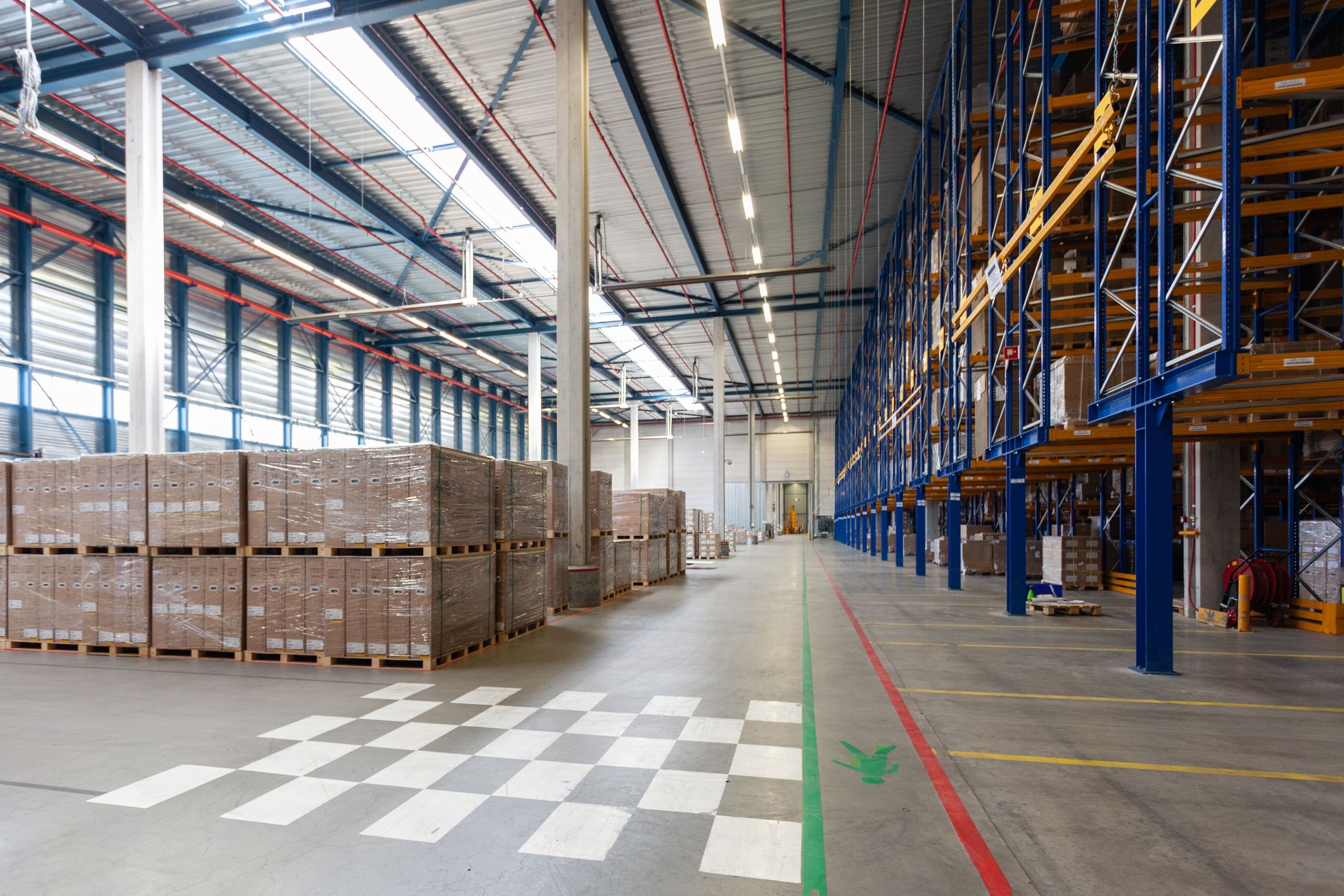
Returns Management
Returns are where margin quietly leaks. Find out who inspects and grades a return, what it costs per unit, and how quickly sellable stock goes back into your available inventory.
Submit RFQWhy use WareMatch?
The 3PL marketplace built for businesses today: one request, vetted matches, and open quotes.
How WareMatch works
One request replaces weeks of calls, spreadsheets and follow-ups.
Share your requirements
One free request for quote replaces a separate form for every warehouse. One form, five minutes.
Get matched instantly
WareMatch compares your requirements against vetted 3PLs and shows you the providers that match.
Get quotes and connect
Request quotes with one click. Competing bids arrive in 24–48 hours, side by side.
DTC High-Volume Brands 3PL and Fulfillment Marketplace
Browse, compare and get quotes from 3PLs across the network. Filter by the capabilities your business needs.


Total SQFT
Pallet Positions
Certifications
Services


Total SQFT
Pallet Positions
Certifications
Services

Total SQFT
Pallet Positions
Certifications
Services


Total SQFT
Certifications
Services

Total SQFT
Pallet Positions
Certifications
Services


Total SQFT
Pallet Positions
Certifications
Services
Not sure which fulfillment partner is right for your brand?
Submit an RFQ to receive customized listings, or book a free consultation with a WareMatch expert.
Frequently Asked Questions
What brands ask before choosing a dtc high-volume brands 3PL.
What is D2C e-commerce fulfillment, and how does it work?
D2C (Direct-to-Consumer) e-commerce fulfillment is the end-to-end process of receiving, processing, picking, packing, and shipping online orders directly to the end customer. When a customer places an order on a brand's website, the order is automatically transmitted to a third-party logistics (3PL) provider, who retrieves the items from inventory, packages them, and hands them over to a carrier for final delivery.
What is the difference between B2B and D2C fulfillment?
D2C fulfillment focuses on shipping high volumes of small, individual orders directly to consumers, requiring fast parcel shipping, custom unboxing experiences, and seamless e-commerce platform integrations. B2B fulfillment focuses on shipping large, bulk quantities of inventory to retail stores or distribution centers, requiring palletization, LTL/FTL freight shipping, and strict compliance with retail routing guides.
What is the industry standard for 3PL order accuracy?
The industry standard for 3PL order accuracy is 99.9% or higher. This means that out of every 1,000 orders shipped, no more than one order should contain a picking or packing error (such as the wrong item, wrong quantity, or missing promotional insert). Leading 3PLs back this standard with contractual Service Level Agreements (SLAs) that offer credits for errors.
What is the standard same-day shipping cutoff time for D2C fulfillment?
The standard same-day shipping cutoff time for D2C fulfillment is typically 12:00 PM to 2:00 PM local time. Orders received by the 3PL before this cutoff are guaranteed to be picked, packed, and handed over to the carrier on the same business day, ensuring faster transit times and higher customer satisfaction.
What is the industry standard for inventory accuracy in a 3PL warehouse?
The industry standard for inventory accuracy is 95% to 99%, depending on the product category. 3PLs maintain this accuracy through regular cycle counting (physically counting a subset of inventory daily), barcode scanning at every touchpoint, and utilizing advanced Warehouse Management Systems (WMS) to track stock levels in real-time.
How does a 3PL integrate with e-commerce platforms like Shopify or WooCommerce?
A 3PL integrates with e-commerce platforms via direct API connections or pre-built plug-and-play integrations. Once connected, the integration automatically syncs inventory levels from the warehouse to the online store, imports new orders to the warehouse for fulfillment, and pushes tracking numbers back to the e-commerce platform to notify customers as soon as their order ships.
What is a Warehouse Management System (WMS), and why is it important for D2C brands?
A Warehouse Management System (WMS) is the software platform used by a 3PL to control and optimize warehouse operations. For D2C brands, a WMS is critical because it provides real-time visibility into inventory levels, order statuses, and shipping tracking, while optimizing picking routes to ensure maximum speed and accuracy.
What is zone skipping, and how does it reduce D2C shipping costs?
Zone skipping is a shipping strategy where a 3PL consolidates a large volume of individual parcel shipments heading to the same geographic region and transports them together via truckload freight to a carrier hub in that destination region. Once there, the packages are handed over to local carriers (like USPS or UPS) for last-mile delivery, bypassing intermediate shipping zones and significantly reducing shipping costs and transit times.
How does a multi-node fulfillment strategy improve delivery speeds?
A multi-node fulfillment strategy involves storing inventory in multiple strategically located warehouses across the country (e.g., East Coast, West Coast, and Midwest) rather than a single central facility. When an order is placed, the WMS automatically routes it to the warehouse closest to the customer, reducing shipping distances, lowering shipping zones, and enabling 1-to-2 day ground delivery at a lower cost.
How does WareMatch help D2C brands find the right fulfillment partner?
WareMatch allows D2C brands to filter 3PL partners by verified e-commerce integrations (Shopify, Magento, TikTok Shop), geographic warehouse locations, custom packaging capabilities, and historical SLA performance. This ensures brands are matched with pre-vetted partners who can meet their specific growth, technology, and delivery speed requirements.
Browse Other Industries
Other 3PL specialties in eCommerce & Fulfillment Models, each matched to providers who already handle that inventory.
Find the right fulfillment partner for your brand.
WareMatch helps brands in DTC High-Volume Brands explore relevant fulfillment options, compare providers on what matters, and move forward with confidence. Start with an RFQ, or talk to an expert first.