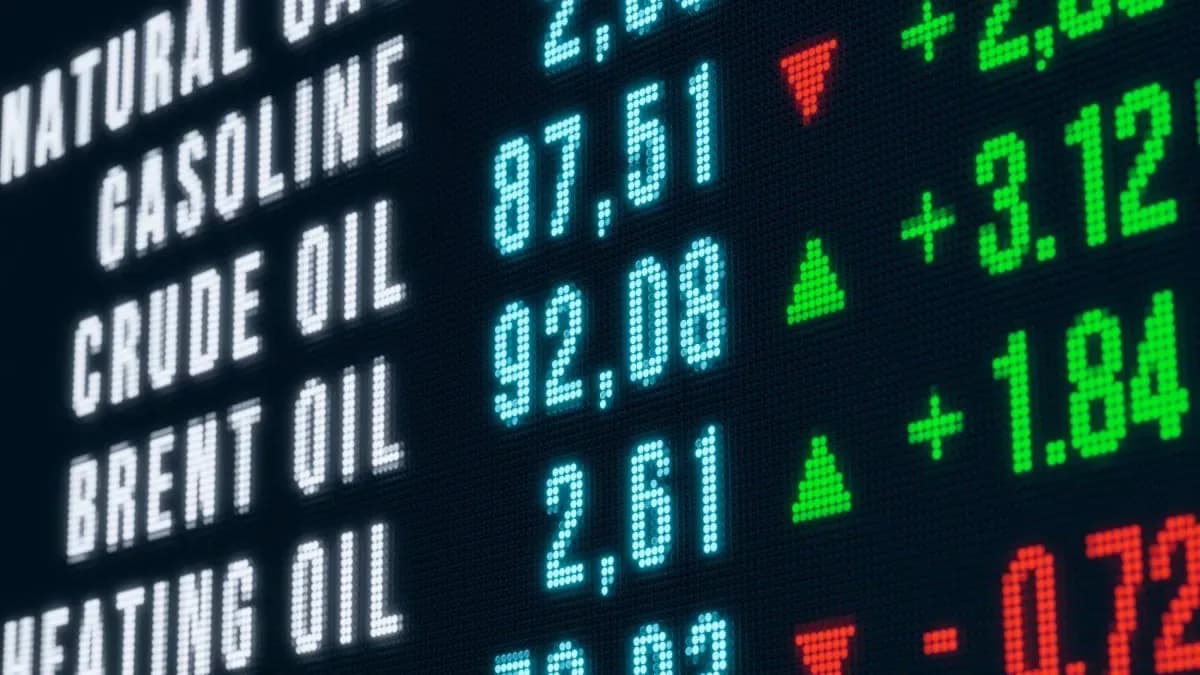
Global supply chains have always been sensitive to macroeconomic forces. But in today’s environment, marked by geopolitical conflicts, volatile fuel markets, and fragile shipping corridors, external shocks can rapidly disrupt logistics operations.
For SMB owners, B2B distributors, and e-commerce brands that rely on third-party logistics (3PL) providers, these disruptions can affect everything from transportation costs and warehouse capacity to cash flow and shipping reliability.
Understanding how macroeconomic events ripple through the logistics ecosystem, and how to prepare for them, is becoming a critical business skill.
Global Events Immediately Affect Logistics
When geopolitical instability impacts energy markets, logistics is often the first industry to feel the friction. Fuel is the lifeblood of the supply chain, powering the trucks, warehouse equipment, container vessels, and distribution fleets that keep commerce moving. Consequently, when energy prices spike, logistics costs follow in a nearly perfect correlation.
The vulnerability of the global supply chain is rooted in geographical concentration. The Middle East remains the world's primary energy hub.
“In 2025, nearly 15 mb/d of crude oil, nearly 34% of global crude oil trade, passed through the Strait of Hormuz;”
according to the International Energy Agency.
Current disruptions, fueled by regional conflicts, have sent shock waves through these markets. As industry expert Bill Robinson from the Wellington Group of Companies explains the necessity of a resilient infrastructure:
“We’ve already seen the price of a barrel jump by $12 in one day.”
For businesses moving freight daily, these changes translate into massive fuel surcharges, increased shipping rates, and tighter transportation capacity.
But the most significant risks often appear when companies assume their contingency plans will hold; until they don’t.
The “Reactionary Trap” in Supply Chains
Many businesses believe they have contingency plans in place for disruptions. Yet history repeatedly shows that when a major shock hits, supply chains often shift from proactive planning to reactive crisis management.
During the pandemic, for example, logistics networks were overwhelmed by sudden demand spikes and capacity shortages. As supply chain experts recall, says Bill Robinson:
“Capacity could not keep up with the demands that were coming through the roof.”
In extreme conditions, shipping costs surged dramatically. Ocean freight rates that once averaged a few thousand dollars per container climbed many times higher in a matter of months.
The lesson for businesses is clear: a contingency plan on paper is not enough. Effective supply chain resilience requires structural flexibility. One widely used strategy is carrier diversification.
Instead of relying on a single carrier for a shipping lane, logistics professionals often recommend maintaining four or five approved carriers per lane. If one provider experiences disruptions, whether financial, operational, or geopolitical, shipments can immediately shift to another vetted partner.
This approach prevents a single failure from bringing an entire distribution network to a halt.
The Hidden Crisis During Disruptions: Cash Flow
Macro shocks don’t just affect freight rates. They also create financial pressure across the logistics ecosystem.
Carriers face daily operating costs: fuel, driver wages, insurance, equipment leases, and maintenance. When markets become volatile, these costs can rise rapidly.
At the same time, many shippers operate on extended payment cycles of 60, 90, or even 120 days.
This mismatch creates a critical cash-flow gap.
In practice, many 3PL providers and freight brokers act as financial intermediaries. They pay carriers quickly while allowing shippers extended payment terms, effectively stabilizing the system during turbulent periods.
In other words, modern logistics providers do more than move freight. They manage both information and cash flow across the supply chain.
For smaller businesses without dedicated logistics teams, partnering with the right 3PL becomes even more important during volatile market conditions.
When Markets Tighten, Risk Increases
Another overlooked consequence of macroeconomic instability is the rise in logistics fraud.
When capacity tightens and freight becomes more valuable, bad actors enter the market.
Transportation fraud, including cargo theft, double brokering, and fraudulent carriers, has become a serious industry issue. In the United States alone, losses related to transportation fraud reached approximately $15 billion in a single year.
Because of these risks, modern logistics providers have dramatically expanded their vetting procedures.
In the past, brokers might have evaluated carriers using a handful of criteria. Today, many reputable providers use 15- to 17-point vetting processes to verify insurance coverage, safety records, operating credentials, and compliance documentation before onboarding a carrier.
For SMBs trying to manage logistics independently, replicating this level of due diligence is extremely difficult.
This is one reason 3PL marketplaces and logistics platforms are gaining traction.
Why Finding the Right Warehouse Is More Complex Than It Looks
During supply chain disruptions, many companies increase their reliance on warehousing to buffer against transportation delays.
But not all warehouses are interchangeable.
Different products require different facility capabilities, and disruptions can affect these specialized facilities differently.
For example, some supply chains depend on:
Food-grade facilities certified under global standards such as BRCGS
Temperature-controlled storage for food or pharmaceuticals
Hazmat-certified warehouses for hazardous materials
High-throughput fulfillment centers for e-commerce packaging and shipping
Each of these requires specific infrastructure, regulatory compliance, and operational expertise.
Selecting the wrong warehouse partner can create costly operational problems, especially during periods of market instability.
Transparency: The Only Thing That Keeps the Market Honest
Another key lesson from recent supply chain disruptions is the importance of transparency.
When shipping capacity tightens, prices can escalate quickly. During previous disruptions, some segments of the shipping industry saw rate increases of several hundred percent.
Without market visibility, businesses may struggle to determine whether price increases reflect real market conditions or opportunistic pricing.
Transparent logistics partnerships, supported by data and market benchmarks, help companies make informed decisions about transportation, warehousing, and shipping costs.
How a 3PL Marketplace Helps Businesses Stay Flexible
For SMBs, distributors, and e-commerce brands, maintaining logistics flexibility can be challenging.
The logistics industry is fragmented, and identifying the right 3PL providers, warehouses, and transportation partners often requires extensive research and industry knowledge.
This is where a 3PL marketplace provides value.
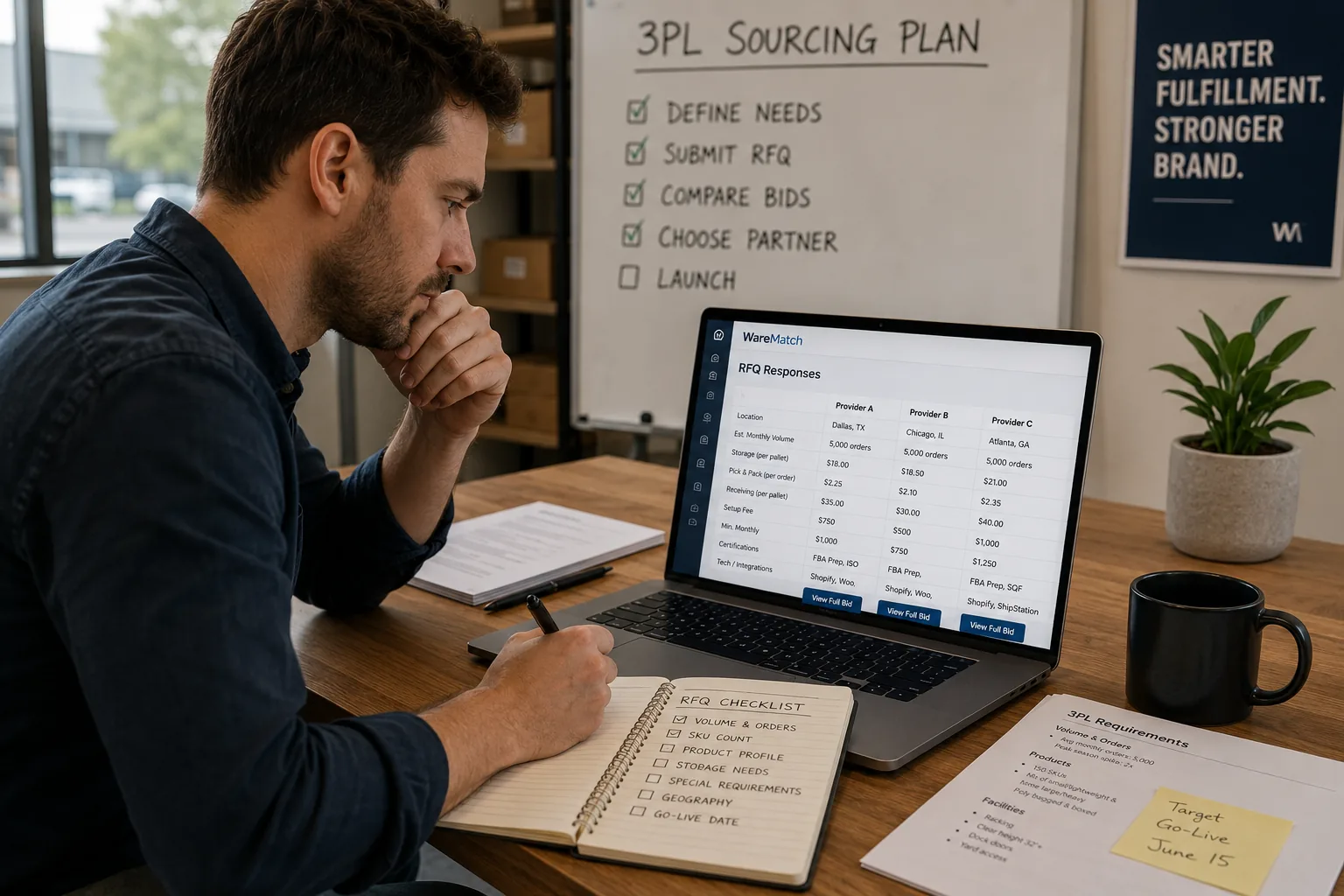
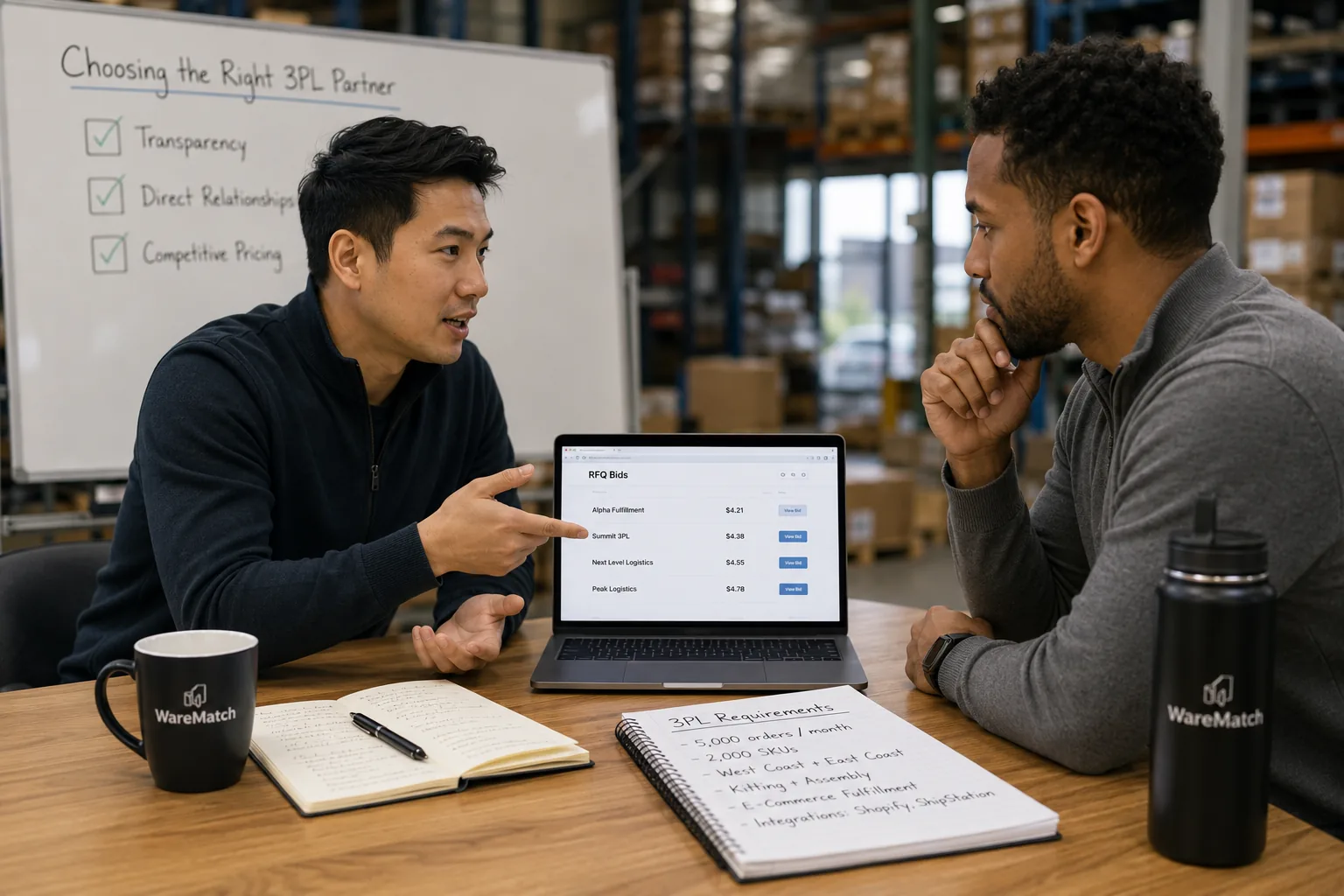
Platforms like WareMatch allow businesses to evaluate multiple logistics providers in one place, compare capabilities, and identify partners that meet their operational requirements.
Instead of relying on a single logistics solution, businesses can quickly explore alternatives across:
Warehousing and storage
Order fulfillment and packaging
Transportation and shipping networks
Specialized logistics services
Just as importantly, these platforms provide access to vetted providers, reducing the operational and security risks associated with sourcing logistics partners independently.
The Mindset Shift Businesses Need
Perhaps the most important insight from logistics professionals is this:
Change is constant in supply chains. Fuel prices fluctuate. Shipping routes shift. Demand spikes unexpectedly. New technologies reshape operations. Businesses that succeed in this environment are the ones that expect volatility and build flexibility into their logistics strategies.
Companies that assume the market will remain stable are often the ones forced into reactive decisions when disruptions occur.
When global events disrupt supply chains, businesses need options.
Whether you’re looking for new warehousing capacity, alternative shipping partners, or more resilient 3PL solutions, having visibility into the logistics market makes all the difference.
WareMatch helps businesses evaluate multiple logistics partners quickly, so you can adapt your supply chain when conditions change.
Explore your options today or book a demo with WareMatch to see how the platform can help strengthen your logistics strategy.