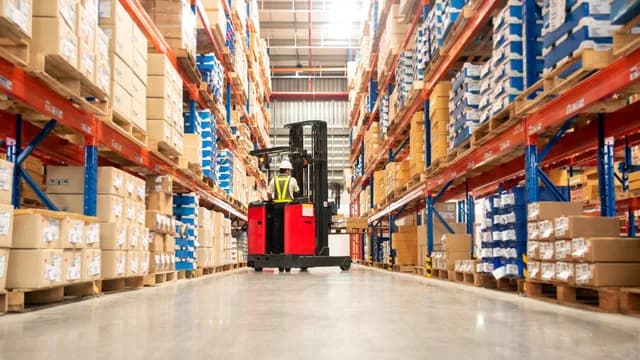
For about a decade, signing a 5-to-10-year warehouse lease felt like the grown-up move for any e-commerce brand serious about scaling. You locked in your space, invested in racking systems and conveyor belts, and called it infrastructure. It was expensive, inflexible, and largely irreversible. But that was the price of doing things properly.
That logic is falling apart.
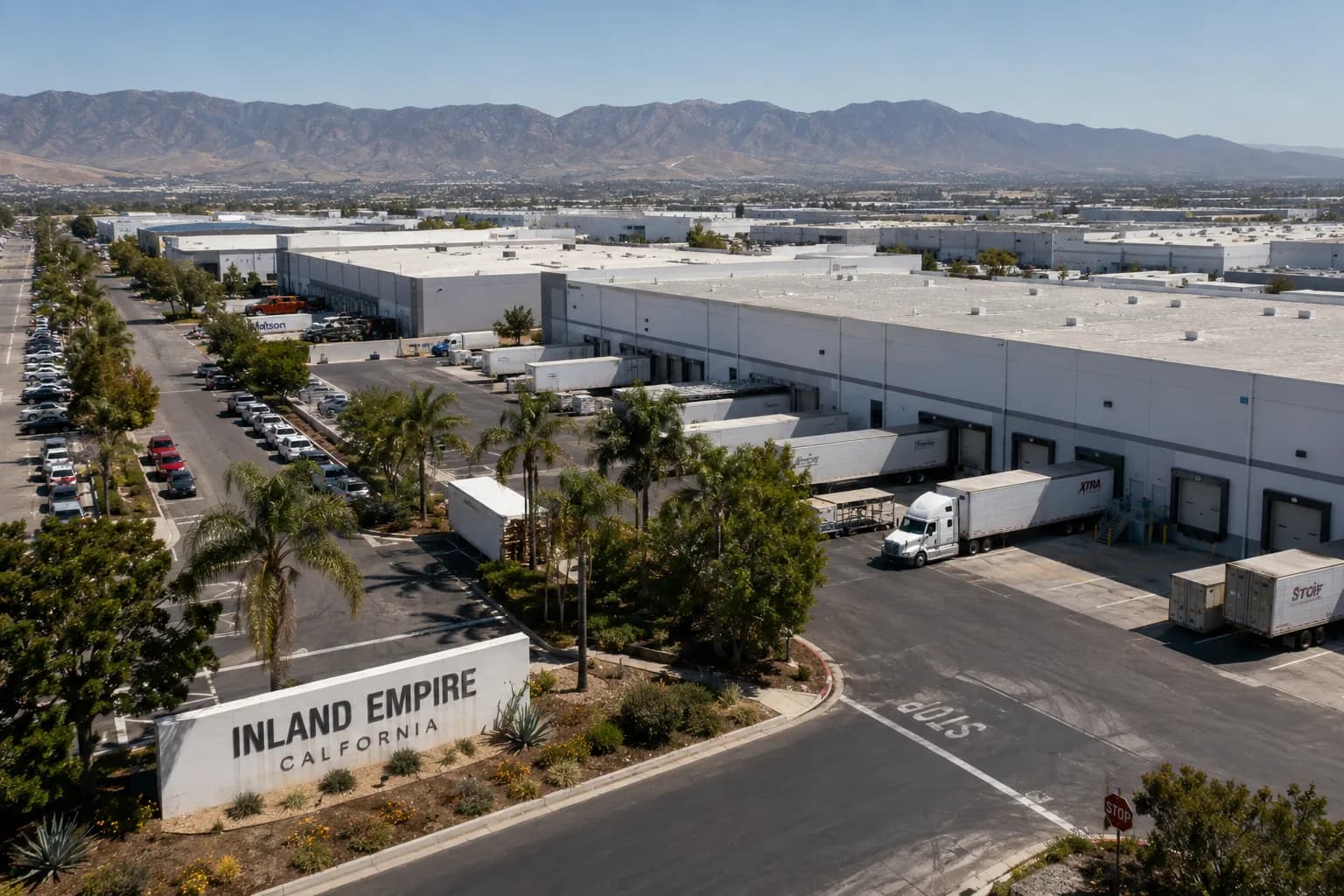
A 2024 CBRE report found that e-commerce tenants logged a 77% year-over-year decline in new warehouse lease signings, with total square footage leased dropping 64% compared to the prior year. The report attributed the drop to "broader restructuring across the e-commerce sector, with many firms continuing to scale back after a period of rapid growth." That's not a blip. That's a category rethink.
The brands pulling back aren't struggling; many of them are profitable and growing. What they've learned is that owning your warehousing footprint is a liability when demand moves faster than a lease does.
What a Five-year Lease Actually Costs You
When you sign a long-term warehouse lease, the monthly rent is the smallest part of the commitment. You're also on the hook for build-out costs, staffing, equipment, utilities, insurance, and compliance, all of which sit on your balance sheet regardless of whether your order volume justifies them.
Warehouse labor costs rose 4.23% annually in 2024, and commercial real estate for fulfillment facilities has become increasingly expensive in major metro areas. If you locked into a lease in Los Angeles or New Jersey when rates were lower, congratulations. But if you're evaluating one now, you're entering at the top of a market that's still figuring out where it settles.
The harder problem is demand volatility. An influencer mention, a seasonal spike, or a product going viral can triple your order volume in 72 hours. Your leased warehouse can't do that. You'll either under-staff and miss shipments, or over-invest in capacity you'll spend nine months trying to fill back up.
A mid-2025 industry analysis from Speed Commerce put it plainly: "Brands hand off variable demand so they don't get stuck with idle square footage, while larger logistics networks absorb the swings and spin up overflow nodes when needed."
That's a structural shift in how math works.
The E-commerce Warehouse Problem Is a Timing Problem
The traditional argument for leasing your own warehouse space was about control. You set the processes, hire the staff, manage the stock control system, and don't depend on a third party who might reprioritize your account when a bigger client shows up.
That argument still holds in some cases, but it depends on your stage and your volume being predictable enough to justify a fixed cost structure. For most e-commerce brands under $50M in annual revenue, predictable volume is the exception, not the rule.
Warehousing and Fulfillment's lease guidance recommends starting with 6-to-12-month terms specifically so brands understand how well a space supports their operation before committing. The problem is that most industrial real estate doesn't work that way. Landlords want long terms. The industrial market was built around tenants who needed five years of stability to justify their own capital investments.
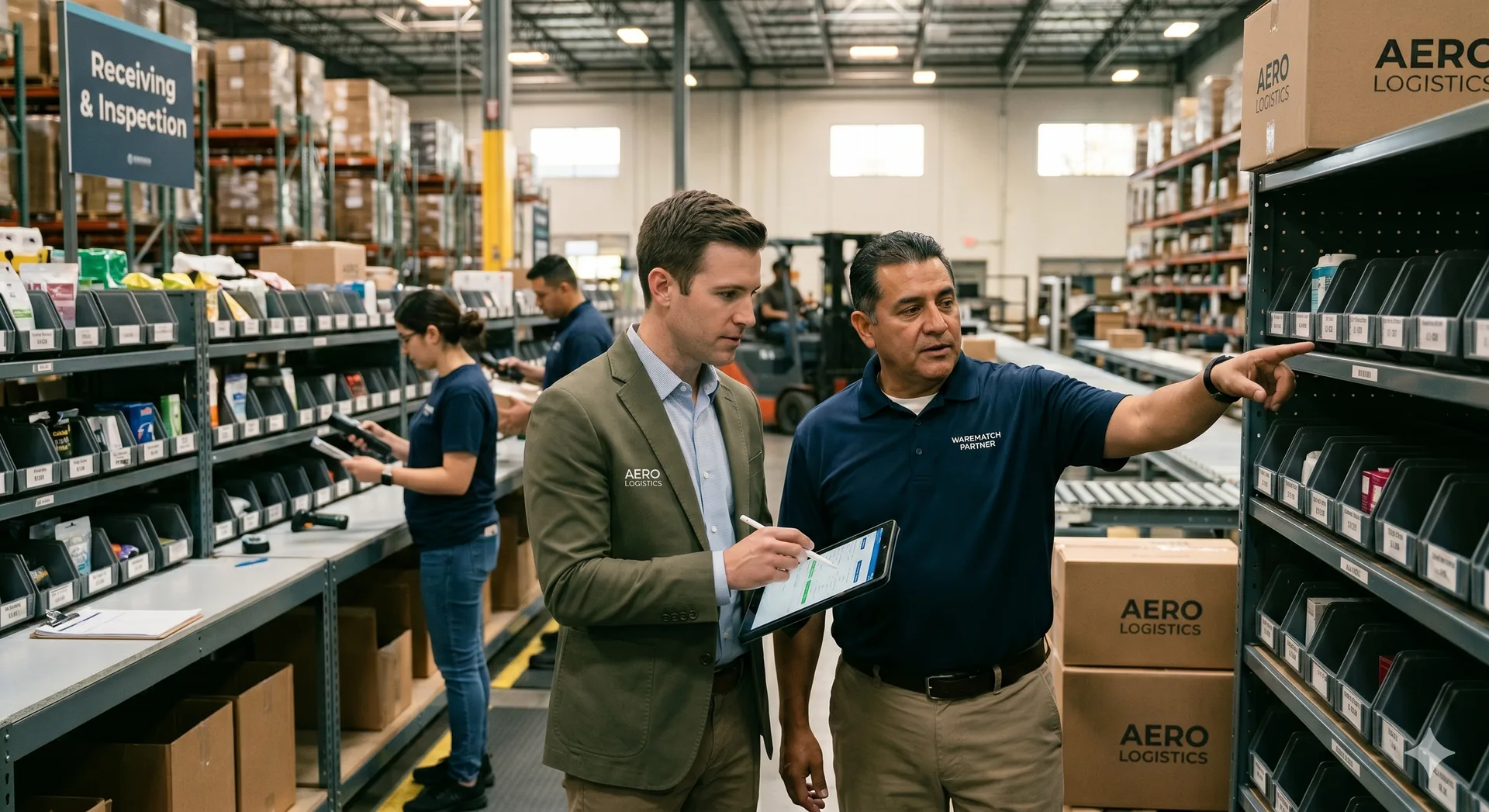
The gap between brands needing flexibility and landlords needing commitment, is exactly what the 3PL model is designed to fill. When you use a 3PL fulfillment provider, you're buying into their lease, their staff, their compliance infrastructure, and their economies of scale. Your cost-per-unit goes down. Your exposure to a bad real estate decision goes to zero.
The "We'll Need It Eventually" Trap
One of the most common reasons e-commerce ops managers hold onto long-term leases, or sign them in the first place, is the belief that volume growth will eventually justify the commitment. The space feels too big now, but the brand is scaling, so it'll fill up.
Sometimes it does. Often it doesn't, or it does on a timeline that costs the brand two years of carrying excess warehouse storage space while cash that could've gone into inventory or marketing sat in square footage.
Economic volatility data from 2025 and 2026 confirms that companies are increasingly unwilling to bet on their own demand forecasts. Uncertain markets push inventory teams toward shorter commitments and deferred expansions. The brands that came through the post-pandemic inventory correction with their margins intact were generally the ones that hadn't bet the balance sheet on a fixed footprint.
The smarter play is to lease what you need today through a flexible 3PL arrangement and revisit infrastructure investment once your volume and geography are stable enough to warrant it.
What Flexible Warehousing Actually Looks Like in 2026
"Flexible warehousing" used to mean subletting part of a space or hunting for a month-to-month warehouse rental through a broker who might return your call in a week. The process was opaque, slow, and highly dependent on who you knew.
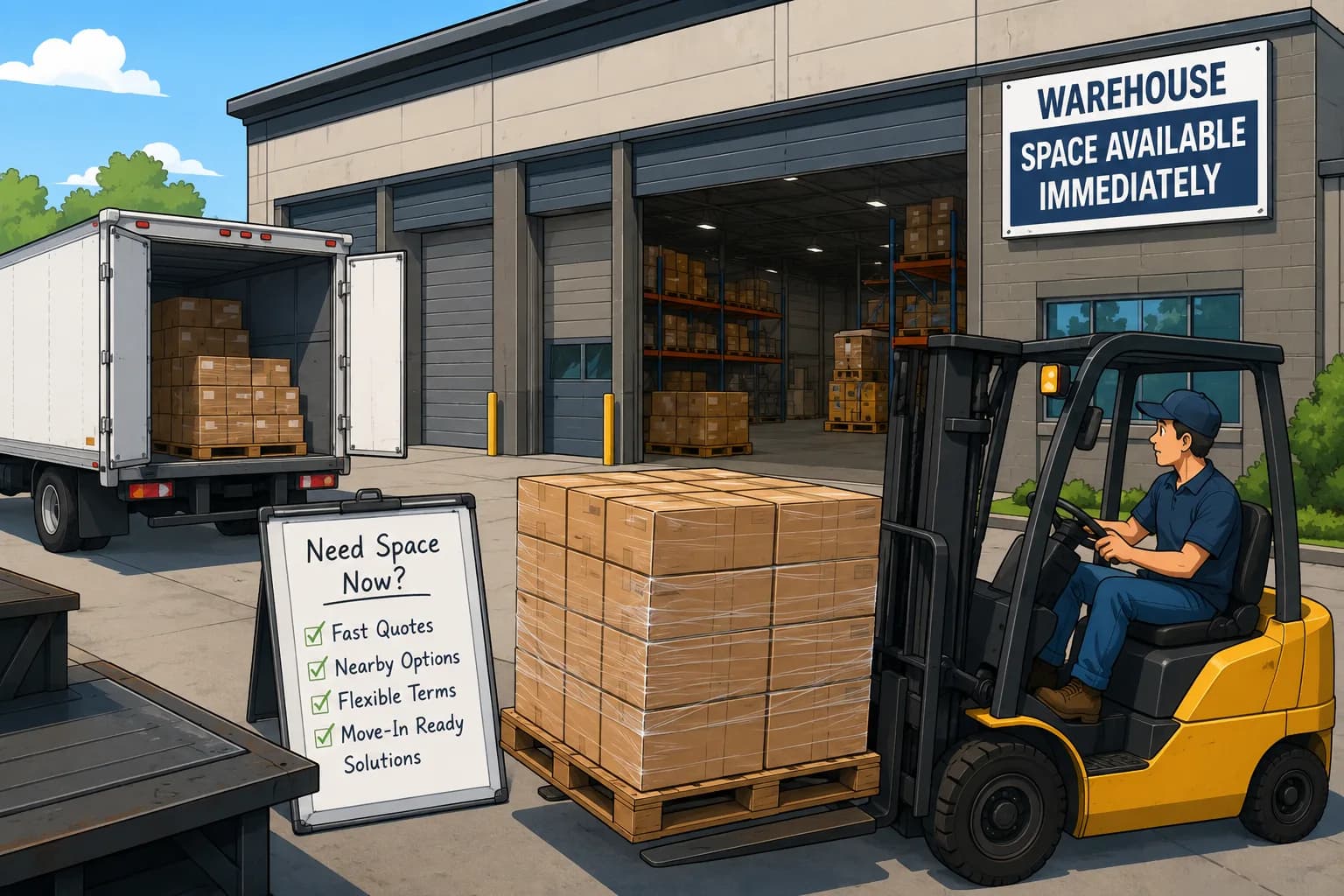
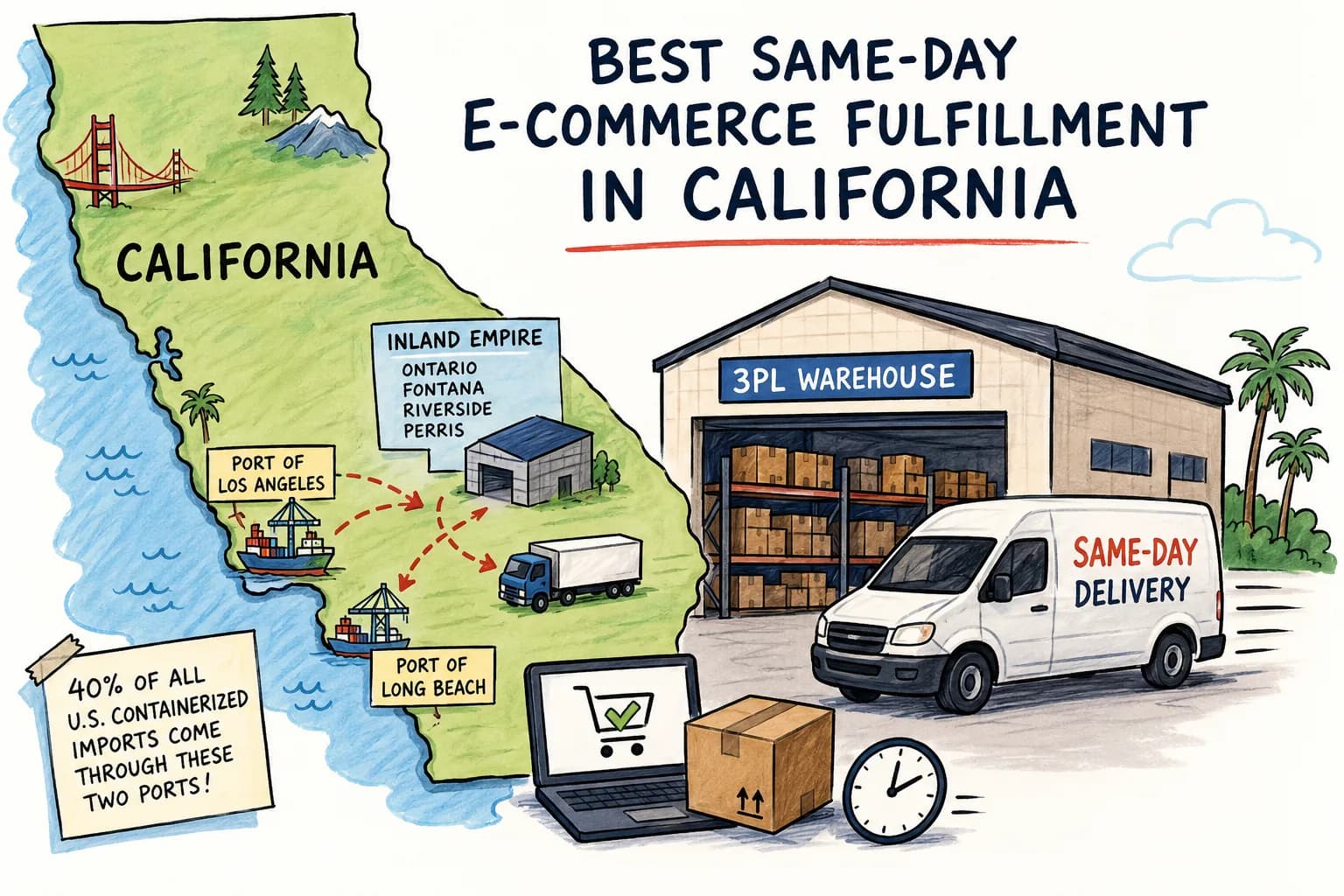
That's changed. Platforms like WareMatch operate as a marketplace for warehouse storage space. You describe your goods, your volume, and your location requirements, and the platform returns a matched list of 3PL providers with available capacity. You can compare pricing, certifications, and services before you commit to anything. For 3PL in California, 3PL providers in New Jersey, or warehouse options in markets like Salt Lake City, the search that used to take weeks now takes hours.
For warehouse operators, it means filling available warehouse space faster and adjusting pricing in response to real demand rather than waiting for a broker's quarterly call.
The transparency here matters. One of the persistent complaints about outsourcing warehousing has been the black-box pricing model, considering per-pallet fees, receiving fees, account minimums, and fuel surcharges that only appear on invoice. A marketplace that puts providers side by side forces clarity on both sides of the transaction.
When Does Owning Your Warehouse Still Make Sense?
This isn't an argument that every e-commerce brand should outsource forever. There are real scenarios where direct warehouse storage space makes sense. Examples include high-SKU operations with specific handling requirements, brands that have plateaued at a volume that matches a particular building size, or companies with regulatory requirements that make a shared-space arrangement complicated.
The question isn't whether you should ever own your footprint. The question is whether you should be making that call at your current stage, with your current forecasting confidence, and at today's industrial real estate prices.
For most SMBs and growing e-commerce brands, the answer is probably not yet. The cost of being wrong on a 5-year lease, in carrying costs, in operational distraction, in capital tied up in a building instead of in product, is higher than the cost of paying a 3PL's margin on a per-unit basis.
92% of consumers now expect delivery within 2-3 business days. The competitive pressure is coming from who has the most flexible, well-located fulfillment network. The top third-party logistics companies have already built that. The e-commerce warehouse advantage today belongs to brands that can tap into it without tying up capital to build it themselves.
The Bottom Line
The long-term warehouse lease made sense when e-commerce growth was linear and predictable. It doesn't fit the same way in a market defined by demand volatility, shifting trade policy, and consumers who comparison-shop delivery speed the same way they comparison-shop price.
The brands getting this right aren't necessarily the ones with the biggest balance sheets. They're the ones that have stopped treating warehouse space as a fixed infrastructure problem and started treating it as a variable operations decision.
If you're evaluating your warehousing options, whether that's finding space for the first time, renegotiating a lease that no longer fits, or comparing fulfillment costs near your key customer base, WareMatch works differently than any 3PL broker you've dealt with before. There's no middleman deciding who gets your business. You browse real providers, see their actual capabilities and pricing, and choose exactly who you want quotes from. Explore the options on WareMatch. The search is free, the decision is yours, and nothing requires a five-year commitment to find out if it's the right fit.