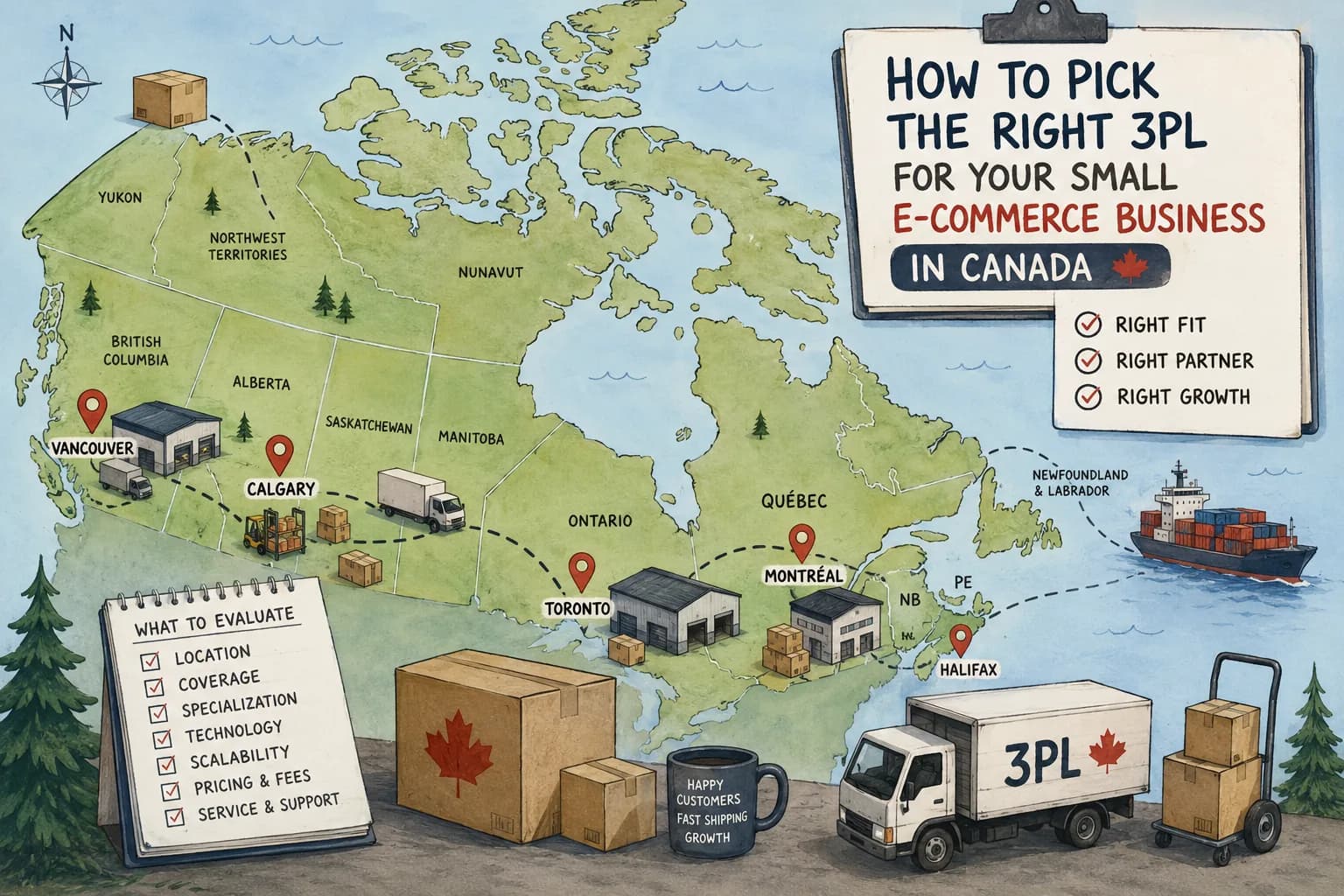
The short answer: there is no single best 3PL for Canadian e-commerce brands. The right one depends on where your customers are, what you're shipping, how fast you're growing, and what you actually need from a logistics partner. That said, there are clear pillars every brand should evaluate before signing a contract, and skipping any of them is how companies end up locked into a provider that was never a good fit.
Canadian e-commerce generated $73.7 billion in retail revenue in 2024, and more brands are outsourcing fulfillment to keep up. But as the market grows, so does the noise. Every 3PL will tell you they're the best. The question is how you cut through that and actually find a provider that fits your operation.
This guide walks you through a practical decision framework, from location to specialization to due diligence, so you can source a fulfillment partner that works for your business, not just the one with the slickest pitch deck.
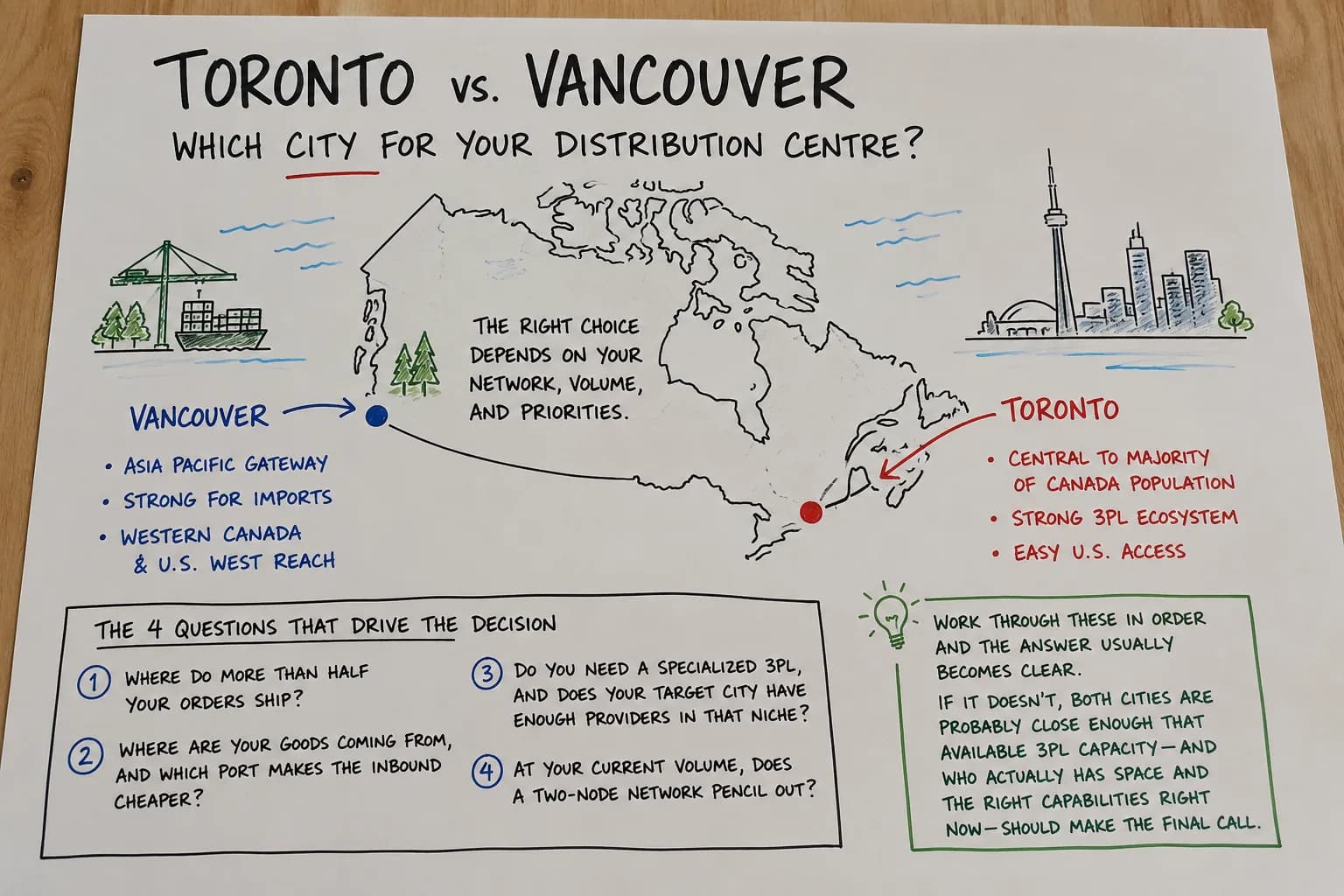
Start with Location, Because Geography Shapes Everything
Before you look at pricing or technology, figure out where your orders are going and where your goods are coming from.
If the majority of your customers are in Ontario and Quebec, a fulfillment center in the Greater Toronto Area or Montreal cuts your last-mile transit times and shipping costs significantly. If you're shipping coast to coast, you may need a provider with multiple locations or, at minimum one that has carrier relationships strong enough to keep cross-country rates competitive. And if you're importing from overseas, proximity to a port city or major customs hub matters when it comes to inbound shipping costs and lead times.
A lot of small brands default to the closest or cheapest warehouse without thinking about where their customers actually live. According to Statistics Canada, e-commerce sales grew 9% in 2024, meaning consumer expectations around delivery speed are only rising. A warehouse 3,000 km from most of your customers will cost you in transit time and in customer satisfaction.
Also ask yourself: are you looking for Canada-only fulfillment, or do you need cross-border capability into the US? Not every Canadian 3PL is set up for US shipping, and even fewer have experience with customs compliance, duties drawback, or de minimis thresholds. If cross-border is in your near-term roadmap, confirm that capability upfront.
Know Your Product before You Know Your Provider
Every 3PL has a sweet spot. Some are built for high-volume, low-complexity Direct-to-Consumer (DTC) orders. Some handle oversized or heavy freight. Some specialize in food-grade storage or Health Canada-regulated products. Others focus on co-packaging, kitting, and assembly.
The mistake most first-time shippers make is searching for a "3PL in Canada" without knowing what they actually need. If your product requires temperature-controlled storage, a general-purpose warehouse is a non-starter. If you need custom gift packaging or subscription box assembly, look specifically for providers that market those services. If you're purely moving standard, pick-and-pack consumer goods and price is the priority, then a specialty provider is likely overkill.
The 3PL market globally was valued at approximately $247 billion in 2023, and within that, providers have become increasingly specialized. There are operators built around fashion, electronics, health and beauty, pet supplies, and more. The more precisely you can describe what your ideal provider looks like before you start reaching out, the less time you waste talking to people who are wrong for you.
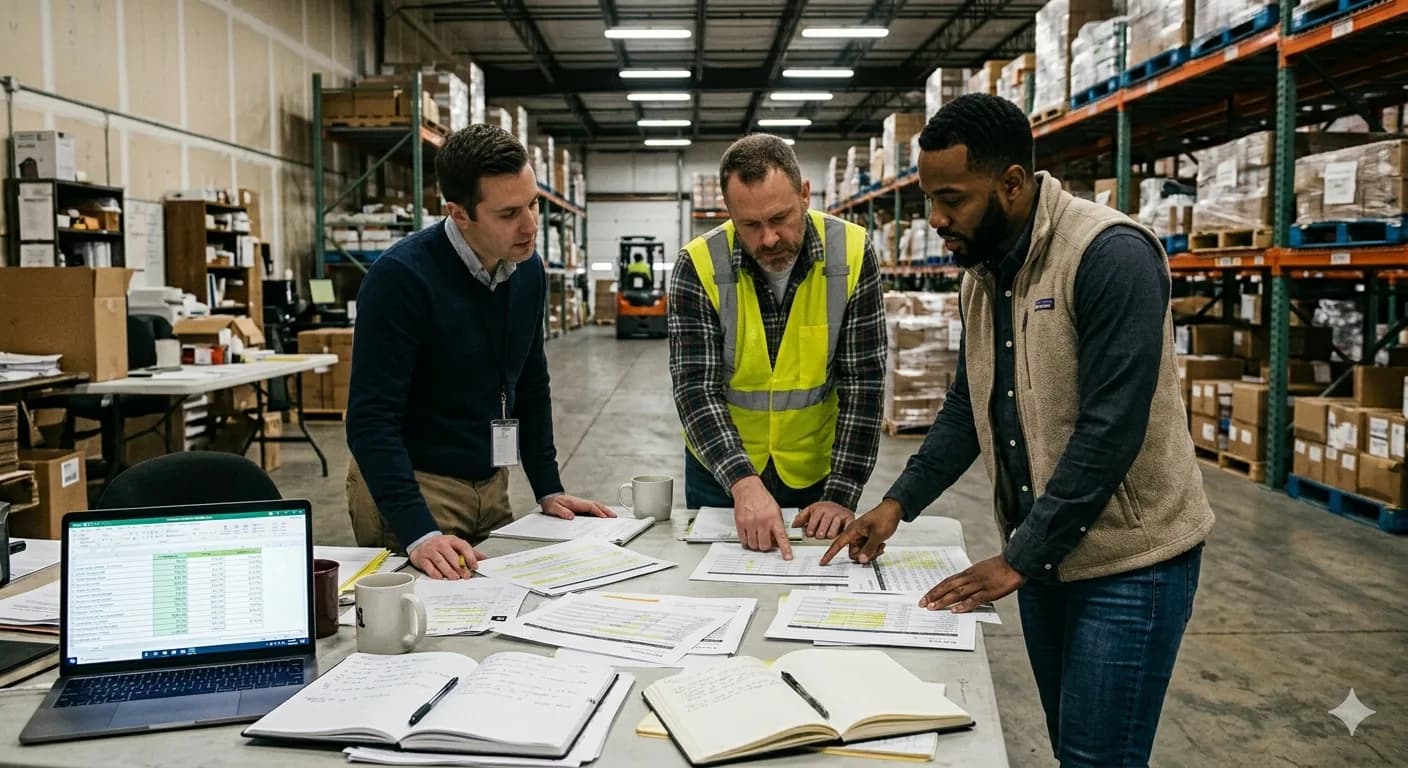
A useful exercise: write out your ideal 3PL profile before you contact anyone. What certifications do they need? What services are mandatory vs. nice-to-have? What integrations do you need with your Shopify or WooCommerce store? What volume are you at today, and what does it look like in 12 months? Having clear answers to these questions turns a months-long search into a much faster, more targeted process. Platforms like WareMatch let you input those parameters and get matched with providers that actually fit, rather than cold-emailing warehouses and waiting days for a callback.
A Basic Warehouse Is Not The Same Thing as an E-commerce Fulfillment Center
This is one of the most common misunderstandings among brands sourcing their first 3PL.
A warehouse that offers pallet storage and basic receiving is built for bulk storage, not for processing hundreds of individual orders per day. Without a warehouse management system (WMS), there is no real-time inventory visibility, no order accuracy tracking, and no integration with your e-commerce platform. That means you are essentially flying blind.
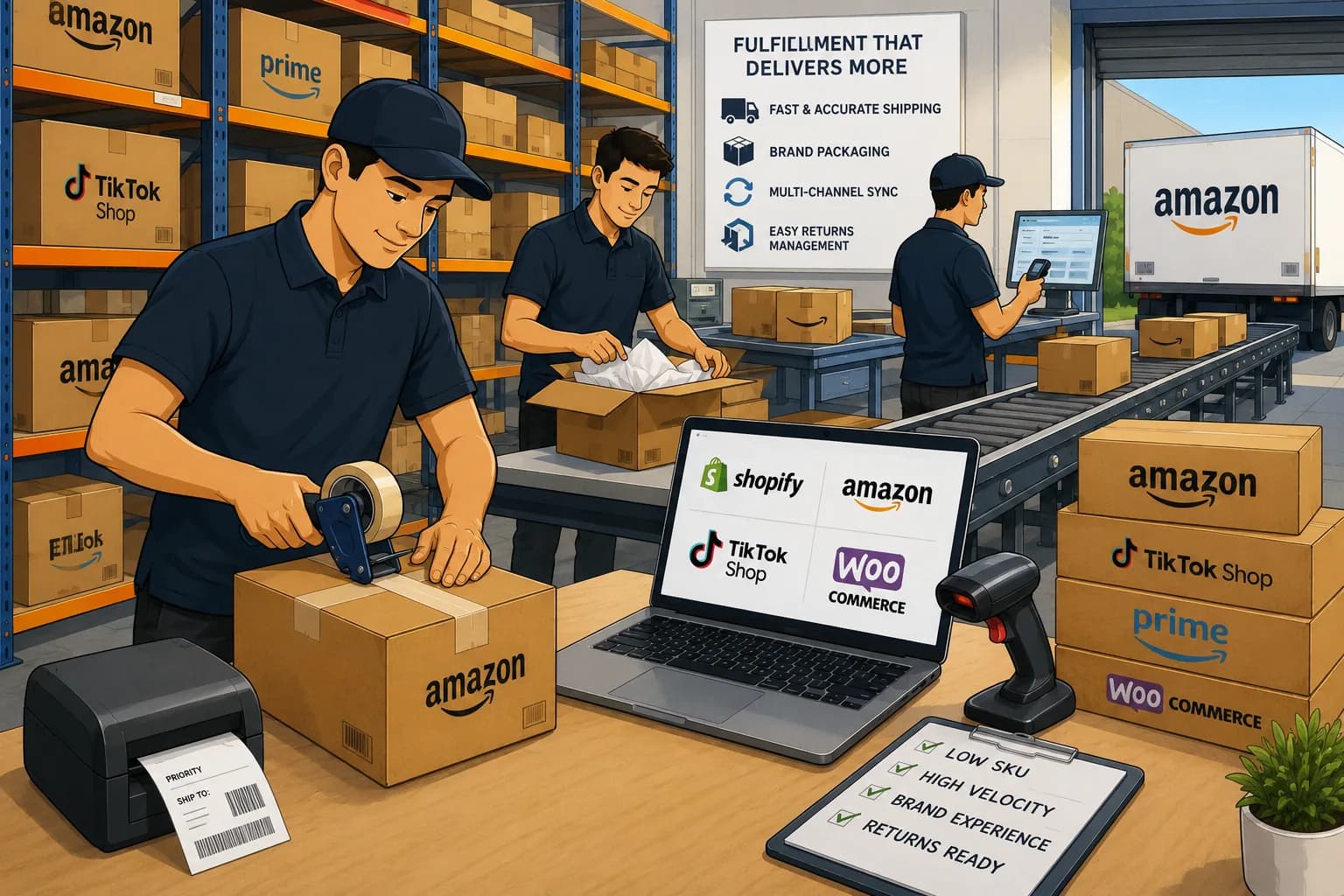
A modern 3PL WMS tracks every unit in real time, automates order flow from purchase to delivery, and integrates with e-commerce platforms like Shopify, Amazon, and WooCommerce. Without it, your team ends up manually chasing tracking numbers and reconciling spreadsheets. That is not a scalable operation, and without real-time tracking, warehouses face misallocated stock, stockouts, and delayed fulfillment.
When you're evaluating providers, ask directly: What WMS do you run? How does it connect to my storefront? Can I see inventory levels in real time? How do you handle returns? If the answers are vague, that is a red flag.
Bigger Is Not Automatically Better
There is a pervasive assumption that a large, well-known 3PL will deliver better service than a smaller regional operator. That is not always true.
Large providers often have enterprise-tier clients as their priority accounts. As a small or mid-sized e-commerce brand, you may find yourself at the bottom of the service queue when there is a problem. Smaller, owner-operated facilities sometimes offer faster communication, more flexibility, and a genuine interest in growing with you.
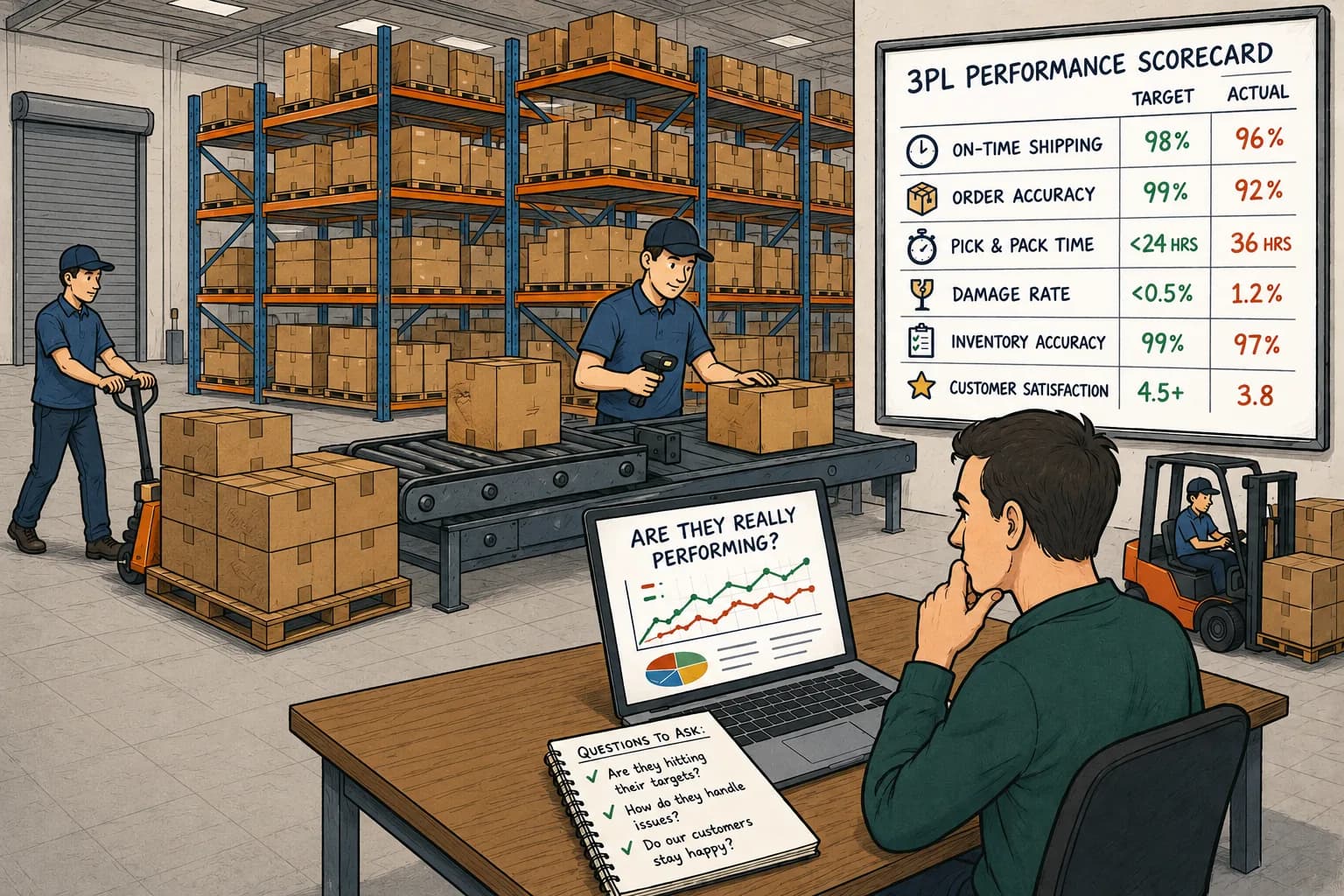
That said, size and name recognition are not guarantees of quality in either direction. Every 3PL in business will tell you they provide excellent service. That's table stakes. What matters is verifying it. Ask for references from clients with a similar volume and product type to yours. Ask what happens when there is a picking error or a carrier delay. Ask how issues get escalated and how fast you can expect a response.
The providers who can answer those questions clearly and specifically are worth your time. The ones who give you polished sales language without actual answers are not.
If You Can, Visit the Facility
Reading a spec sheet tells you what a warehouse wants you to know. Showing up in person tells you what's actually happening.
If geography allows it, request an in-person visit to any provider you're seriously considering. And if you can, arrive about an hour earlier than your scheduled tour. Observe how the floor operates without the welcome committee. Is inventory organized? Are staff moving with purpose? Is the facility clean and well-maintained? Are orders being processed or is there a visible backlog?
A facility visit is one of the fastest ways to separate a well-run operation from one that photographs better than it performs. This matters more than most brands realize, because choosing the right 3PL partner directly affects operational efficiency, customer satisfaction, and your bottom line.
If an in-person visit isn't possible, ask for a video walk-through. Any serious provider will accommodate that request.
Communication Speed Is a Proxy for Service Quality
If a 3PL takes three days to respond to a sales inquiry, that is not a company you want handling your inventory when something goes wrong.
Response time during the sales process is one of the best signals you have about how they will treat you as a client. Fulfillment issues happen. Carriers miss pickups. Inventory gets miscounted. When those moments come, you need a partner who picks up the phone or replies within the hour, not one who manages you through a ticket system you have to chase.
Ask directly during your evaluation: What is your SLA for responding to client inquiries? How do you handle urgent issues outside business hours? Do I have a dedicated account contact or am I in a general queue?
A provider who gives clear, direct answers to those questions is one you can trust with your business. 3PL services work with multiple carriers and need streamlined processes to ensure accurate and on-time fulfillment, and that only works if communication between you and your provider is fast and reliable.
You Are Handing Off Your Business. Take Your Time.
Outsourcing fulfillment is not a commodity purchase. You are placing your inventory, your orders, and your customer experience in someone else's hands. Getting it wrong is expensive: replatforming mid-season, moving inventory, resetting integrations, and rebuilding customer trust after a string of late or inaccurate orders is a painful and costly process.
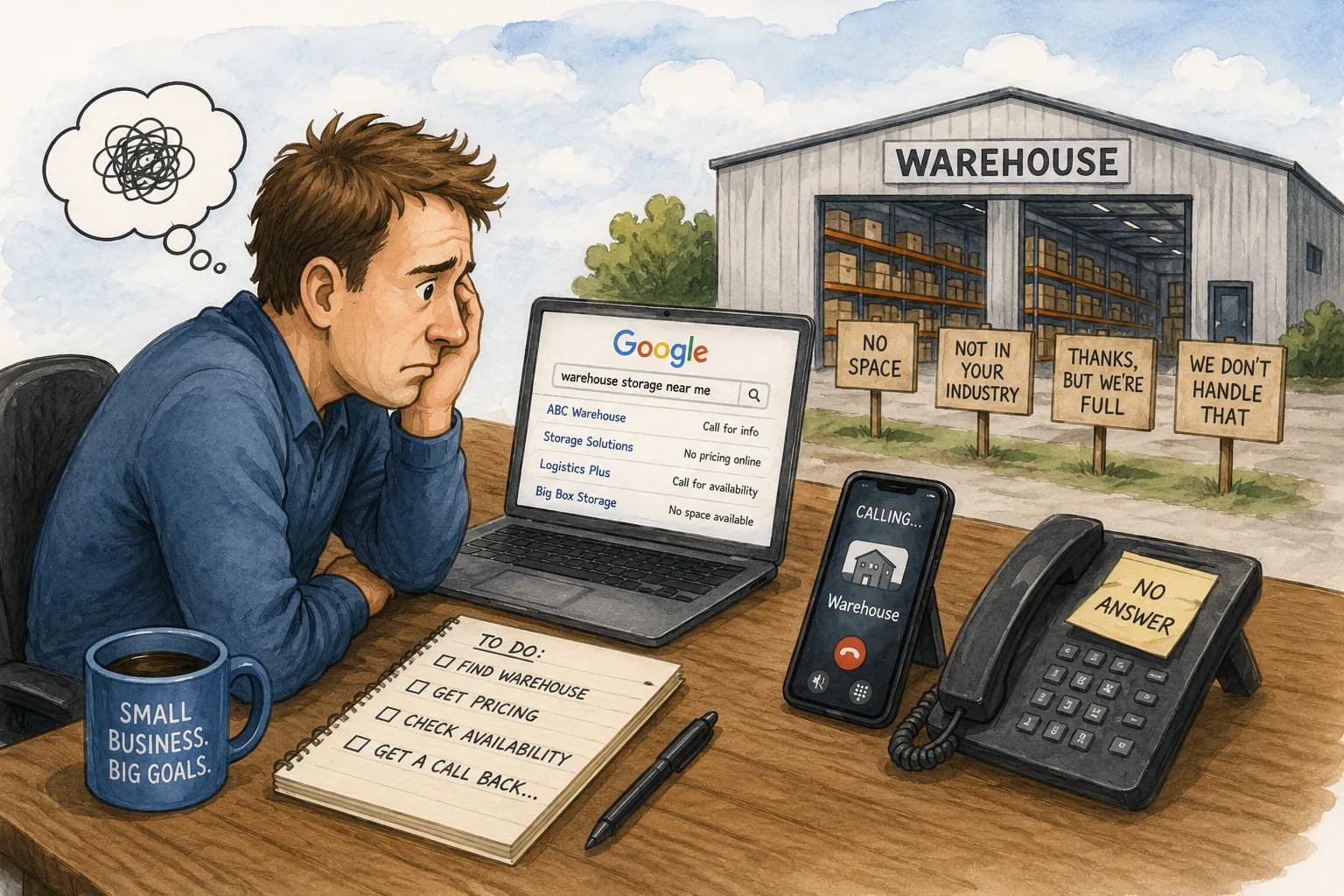
The due diligence process can feel slow, especially when you are trying to free up time and bandwidth. But a poorly matched 3PL costs you more than the weeks you would have spent vetting carefully. Take the time to compare multiple providers, ask the hard questions, and look beyond the sales pitch. Platforms like WareMatch exist precisely to make that process faster by giving you a transparent, searchable view of available providers, with the ability to compare services, certifications, and pricing in one place rather than sending 20 individual RFPs.
The right provider is out there. Finding them just requires knowing what you're looking for before you start looking.
A Quick Checklist before You Sign Anything
Where are most of your orders shipping to? Does the warehouse location support fast, affordable delivery to those zones?
Does your product require any special handling, certifications, or temperature control?
Does the provider run a WMS that integrates with your storefront?
Have you spoken to existing clients with a similar volume and product type?
Have you visited the facility or requested a live video walk-through?
How long does it take them to respond to your messages right now, during the sales process?
What is their SLA for responding to issues after you're onboarded?
Are their pricing and billing structures transparent and easy to understand?
Ready to start your search?
WareMatch is a Canadian 3PL marketplace that connects e-commerce brands with vetted warehouse and fulfillment providers across Canada and US. Instead of cold-emailing warehouses and waiting days for responses, you can browse, compare, and request quotes directly on the platform, filtered by location, service type, and specialization. It cuts the noise out of a process that most brands find slow, opaque, and frustrating.
Start your search on WareMatch and find the 3PL that actually fits your business.