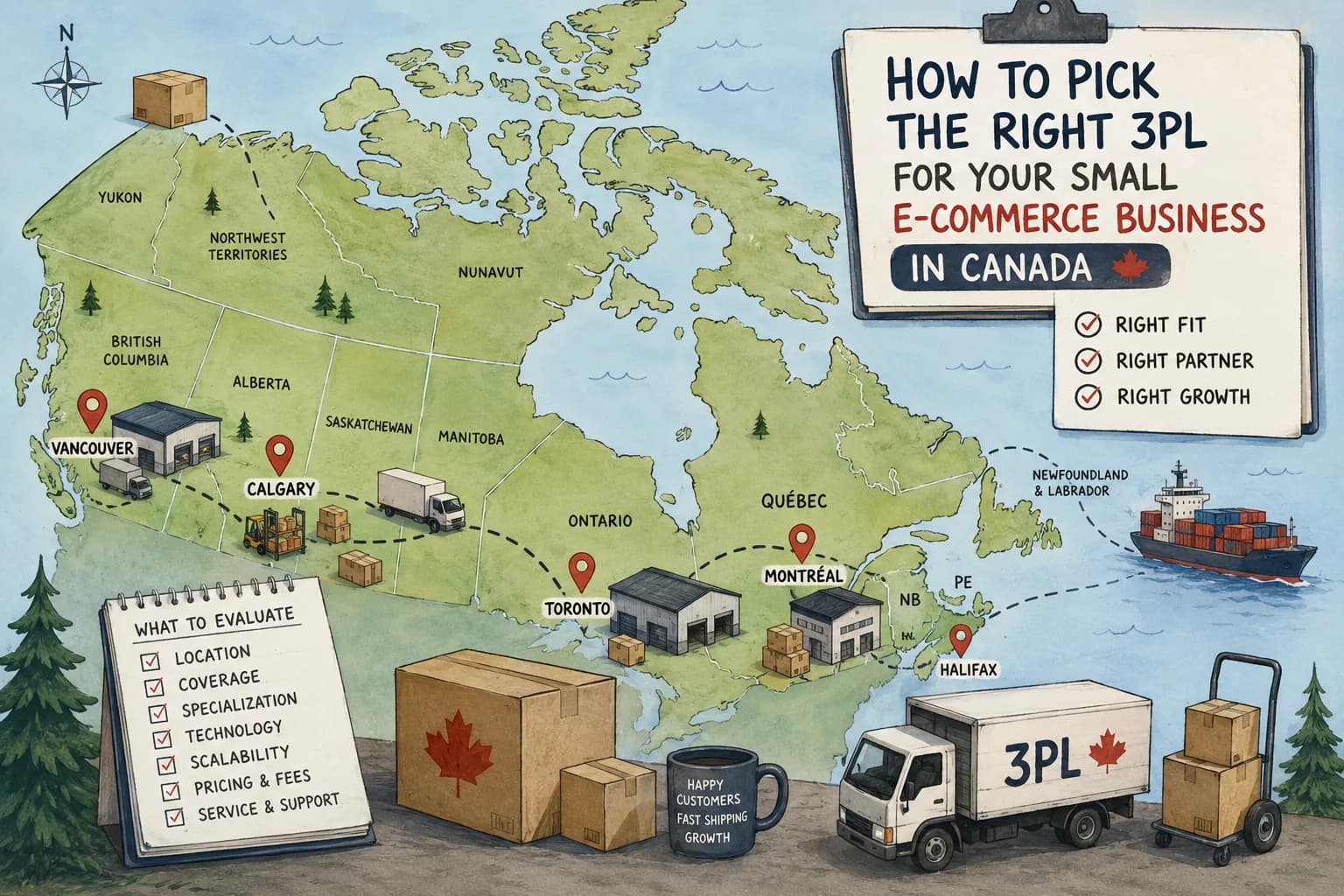
The fastest way to find the right 3PL is to browse providers on a platform that shows you real, open capacity by location, industry, and service type, instead of waiting on a broker to hand-pick a shortlist for you. That's what WareMatch was built for.
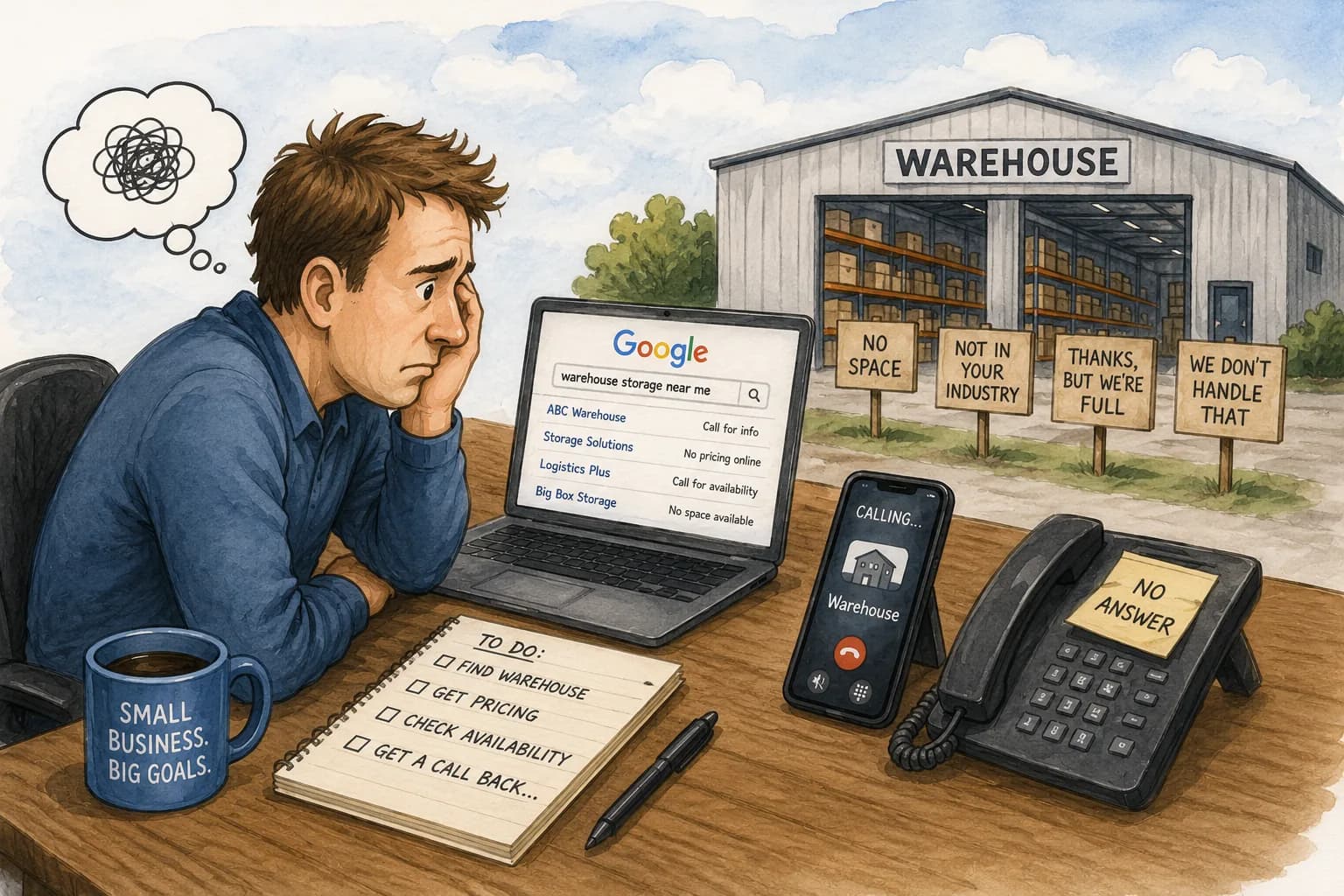
If you've ever typed "warehouse storage near me" into Google, you already know the problem. You get directory listings with no pricing, no available space, and no way to tell if a provider even works with your product category. Call a few numbers, and half don't call back. The ones that do often don't have room for you anyway.
Why is this search harder than it should be
Most e-commerce operators and SMB owners end up in one of two places when they need warehouse storage space for rent: a generic search or a 3PL matchmaker.
Search gets you noise. You'll find pages for "warehouses for rent Los Angeles" or "3pl NJ" that rank well but don't tell you whether a facility handles apparel, frozen goods, or hazmat, let alone whether they have a single open pallet position this month.
Matchmakers and brokerages solve part of that, but you're trading one black box for another. You fill out a form, describe your needs, and wait for someone on the other end to decide which providers you get introduced to. You don't see the full list of available warehouses in your market. You see whoever the broker chose to send your way, and you have no way to check what got left out.
The misconception worth correcting
A lot of shippers assume that out of the dozens of 3PLs in their region, only one or two could actually handle their goods. That assumption is what pushes people toward a single broker call instead of a real search.
In practice, the third-party logistics market in most metro areas is large and fragmented. Multiple providers in the same city often carry overlapping certifications, similar square footage, and comparable rates. The real task isn't finding "the one" provider. It's narrowing a wide field down to the few that fit your industry, your SKU count, and your service needs, then comparing them side by side.
How to actually narrow the field
Start with location
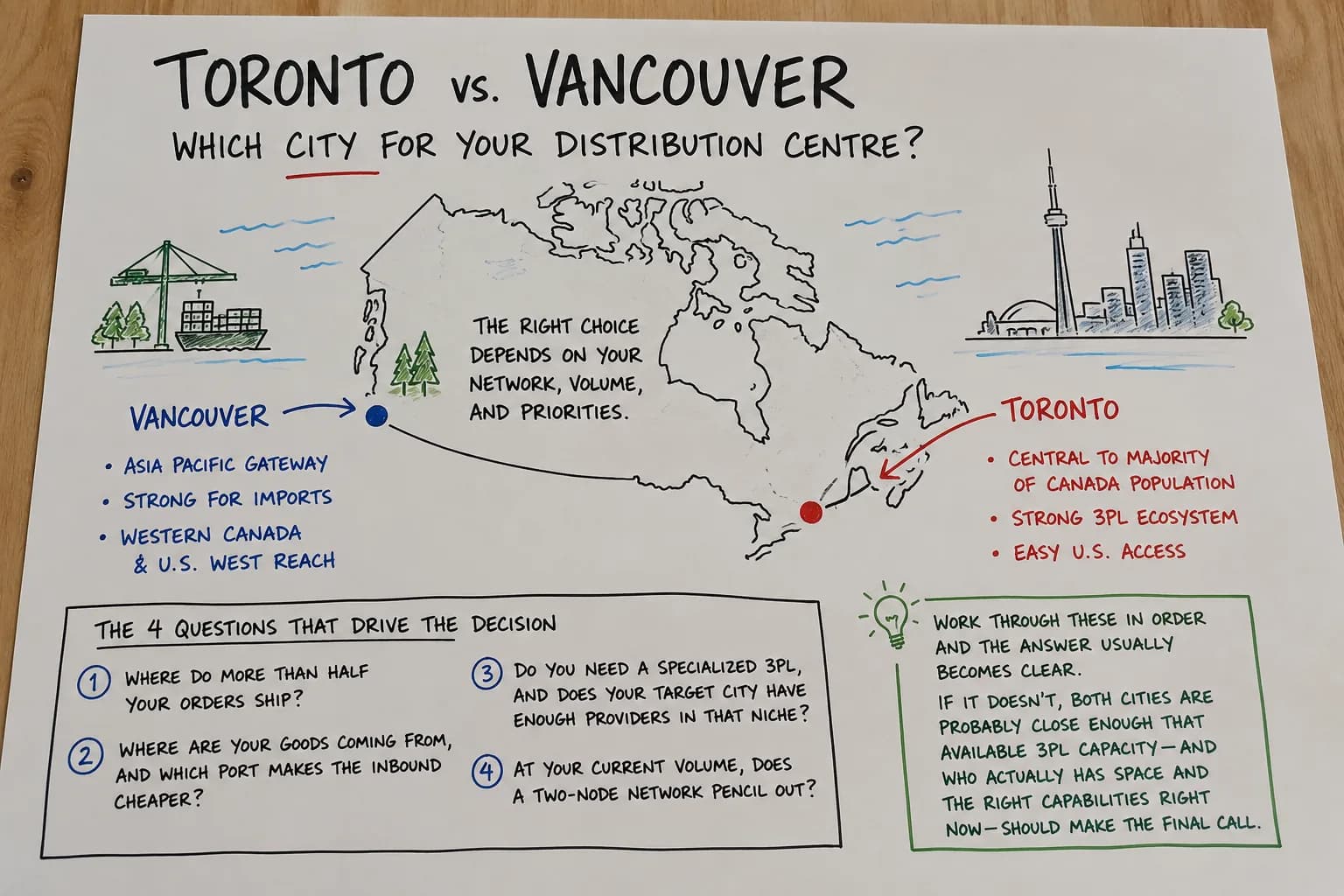
Storage costs, transit times, and labor availability all shift by region. Whether you're searching for a small warehouse space for rent in a single metro or comparing a warehouse in California against options in the Midwest, location should be your first filter, not an afterthought after a broker has already picked your shortlist.
Filter for industry expertise
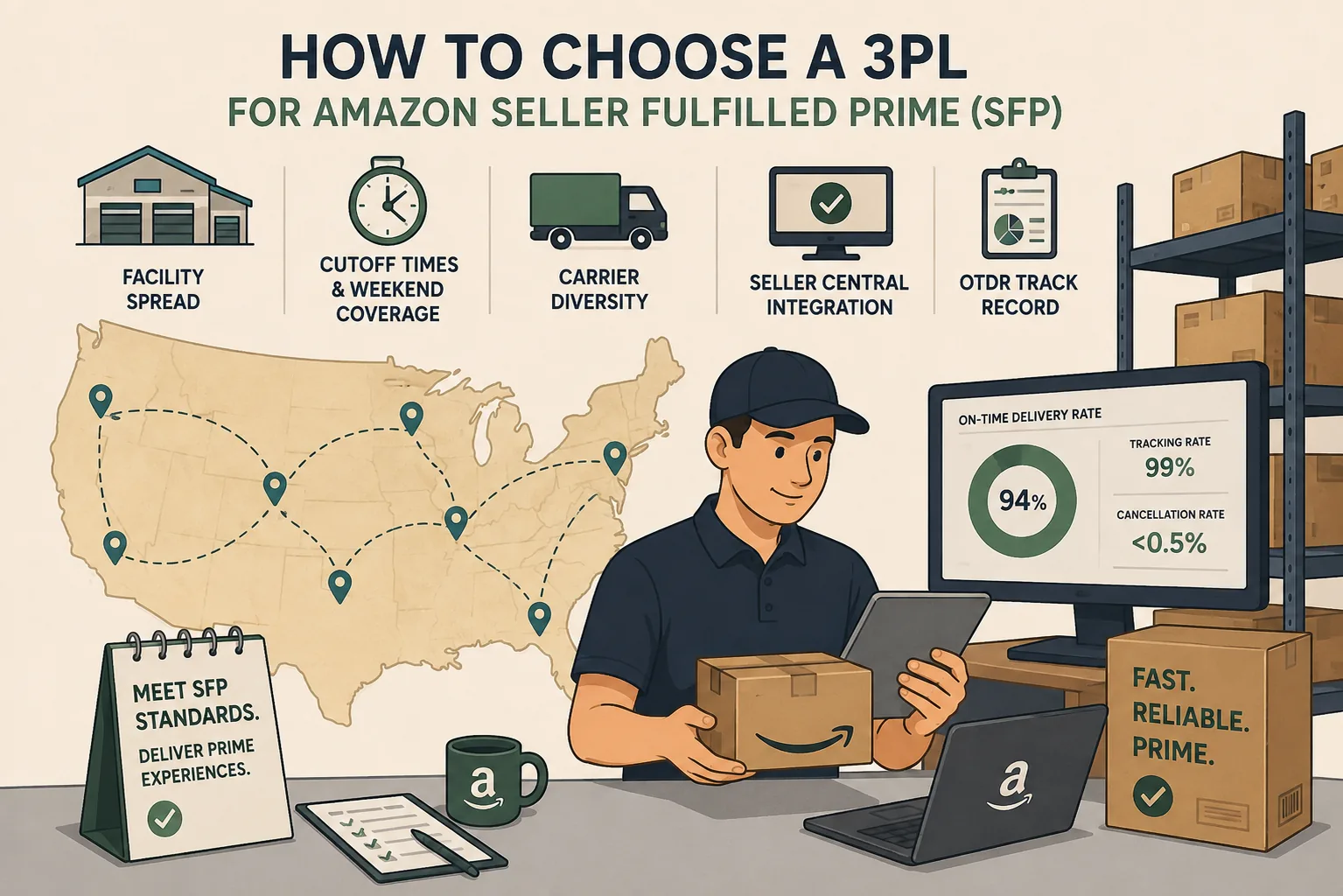
A 3PL that's great at apparel fulfillment isn't necessarily set up for temperature-controlled CPG storage or hazmat compliance. WareMatch breaks providers down by what they actually handle, including fast fulfillment for online and retail stores, raw material and finished goods storage, high-volume pick and pack for CPG brands, and temperature-controlled handling for medical and healthcare products. Matching on vertical experience up front cuts down on the back-and-forth that usually happens after you've already signed a contract.
Filter for the specific service you need
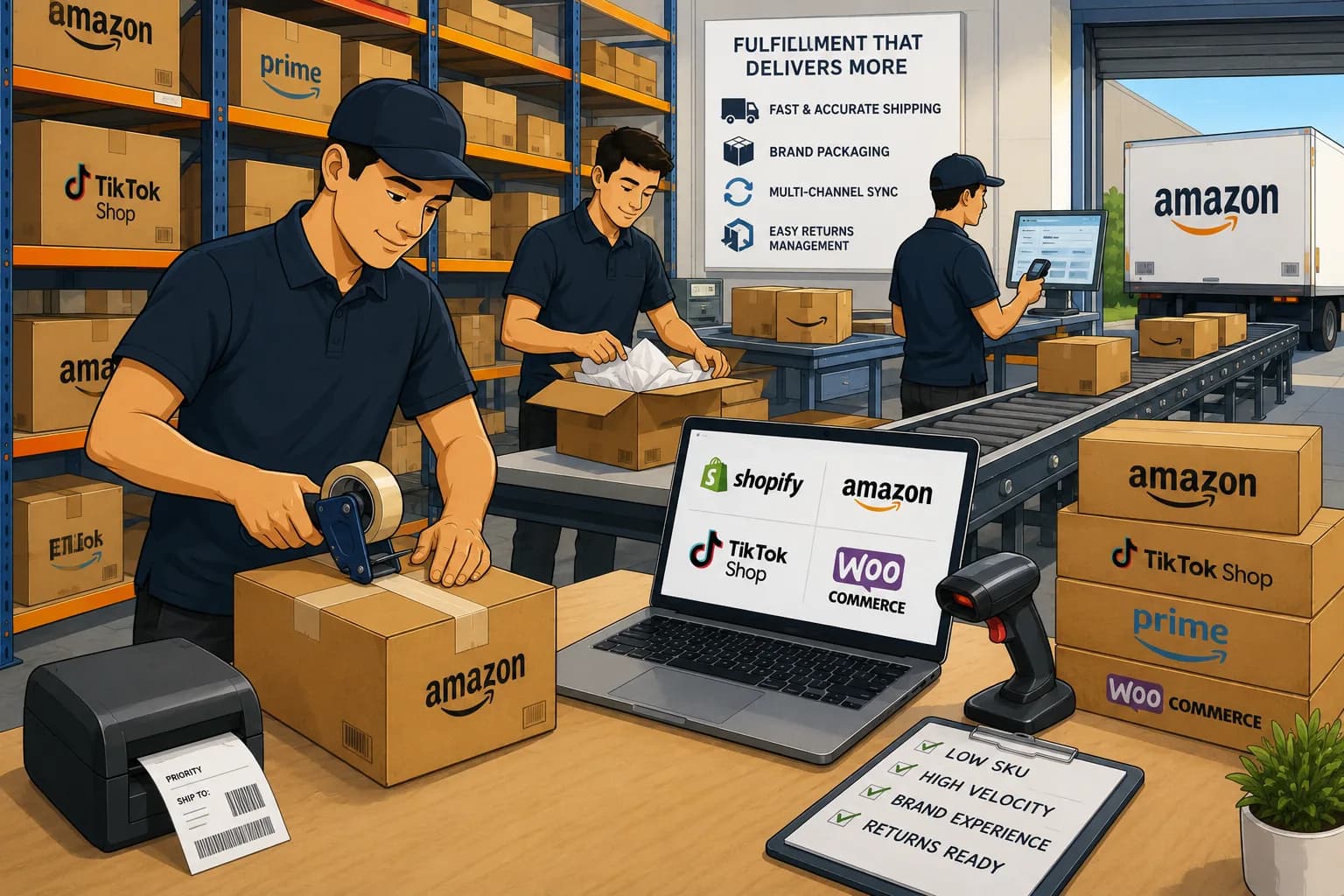
"3PL" covers a lot of ground. Some providers only do pallet storage. Others run full fulfillment operations with kitting, assembly, and returns processing built in. If you're running an e-commerce warehouse operation, you likely need pick-and-pack and last-mile coordination, not just square footage. Decide which activities you actually need handled before you start comparing quotes, so you're not paying for capabilities you won't use.
Connect directly, without a middleman deciding for you
Once you've narrowed providers by location, industry, and service, the last step is talking to them directly. On WareMatch, that happens through a request for quote: you submit your warehousing and fulfillment requirements once, and providers that match your criteria respond with their own bids. WareMatch describes this as a bidding system that lets 3PL providers compete on tailored quotes, which is a different model than a broker selecting one or two providers for you behind the scenes. You see who's available, what they're offering, and you pick.
This also means you can see open capacity instead of guessing at it. Rather than a broker telling you a warehouse "might have space," WareMatch's listings reflect what providers have made available to list and price themselves, the same way you'd compare listings before booking a hotel room.
The takeaway
Finding 3PL fulfilment for an e-commerce or SMB operation doesn't have to mean a string of unanswered calls or a broker's curated shortlist. WareMatch was built specifically because the warehousing industry is large, fragmented, and short on transparency, and a platform where you can browse real listings by location, industry, and service does more for you than a directory or a matchmaker ever will.
If you're ready to see which 3PL providers actually have open capacity for your business, book a call with WareMatch and start comparing real options instead of waiting on a callback.